Tax risk management is a vital component of any organization’s financial strategy today. As businesses operate in an increasingly transparent world, ensuring compliance with complex tax laws is crucial to maintain a good reputation and avoid unnecessary costs.
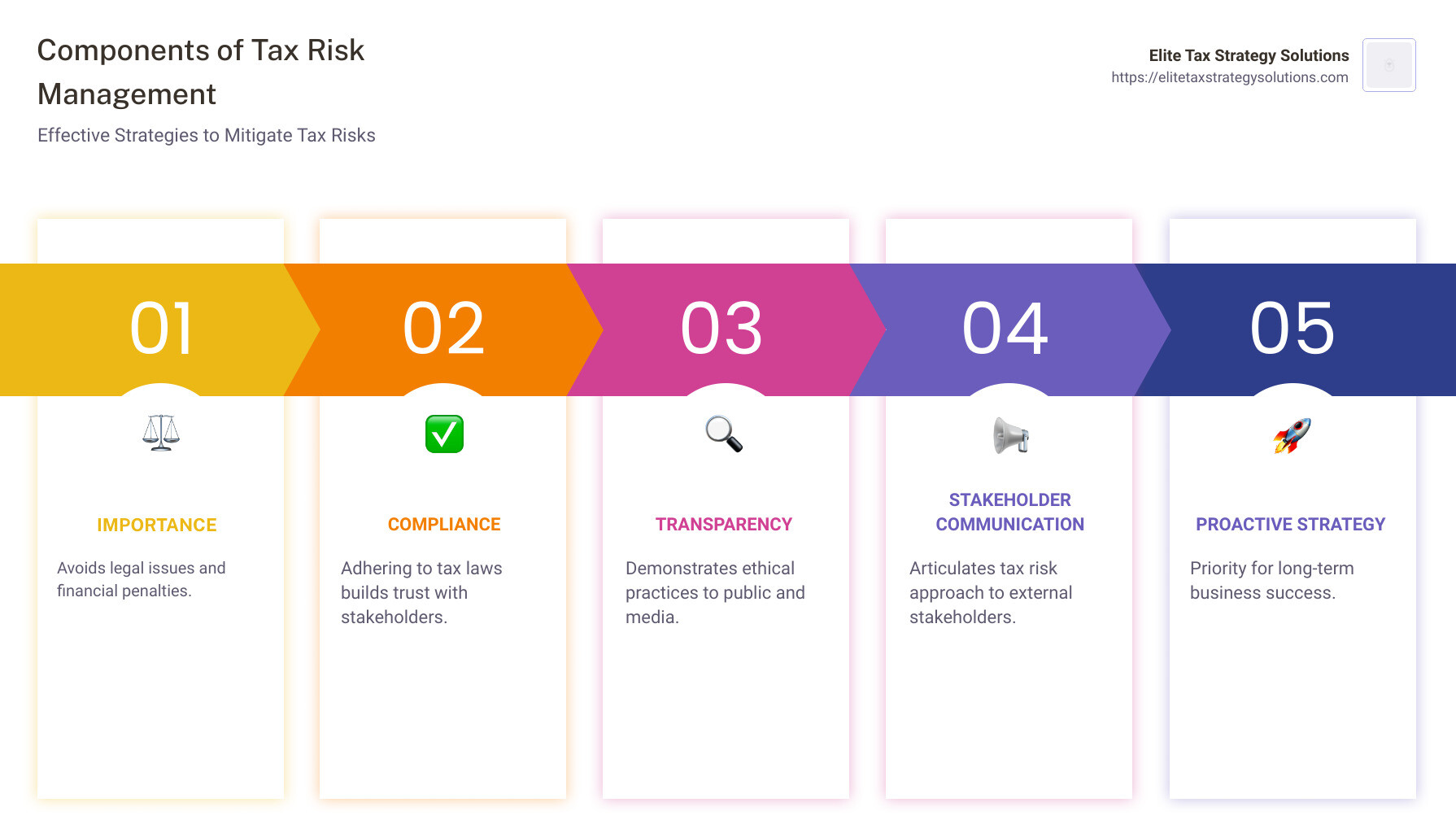
- Importance: Tax risk management helps avoid legal issues and financial penalties.
- Compliance: Adhering to tax laws can build trust with stakeholders and regulatory bodies.
- Transparency: Clear tax risk management strategies demonstrate ethical practices to the public and media.
In this competitive environment, companies must articulate their approach to tax risk to a variety of external stakeholders, from regulators to service providers. Preparing a comprehensive tax risk management strategy should therefore be a priority for any business aiming for long-term success.
I’m David Fritch, bringing over 40 years of experience in tax law and consultancy. My expertise in Tax risk management stems from managing both my law firm and CPA practice. Let’s dig deeper into how proactive tax strategies can help you manage these risks effectively.
Similar topics to Tax risk management:
– Business tax management
– Comprehensive tax planning
– Tax management services
Understanding Tax Risk Management
Tax risk management is all about identifying, assessing, and mitigating risks that come with meeting tax obligations. It’s a critical part of a company’s financial strategy, ensuring that tax decisions are made with full awareness of potential risks.
Tax Risk Definition
At its core, tax risk refers to the possibility of financial loss or reputational damage due to tax-related issues. This can include incorrect tax filings, missed deadlines, or non-compliance with ever-changing tax laws. Companies face these risks every day, and managing them effectively is crucial for maintaining financial health and public trust.
Compliance Risks
Compliance risks are a major component of tax risk. These risks arise when a company fails to adhere to tax laws and regulations. Such failures can lead to audits, penalties, or even legal action. For example, if a company underreports its income or overstates deductions, it could face significant fines.
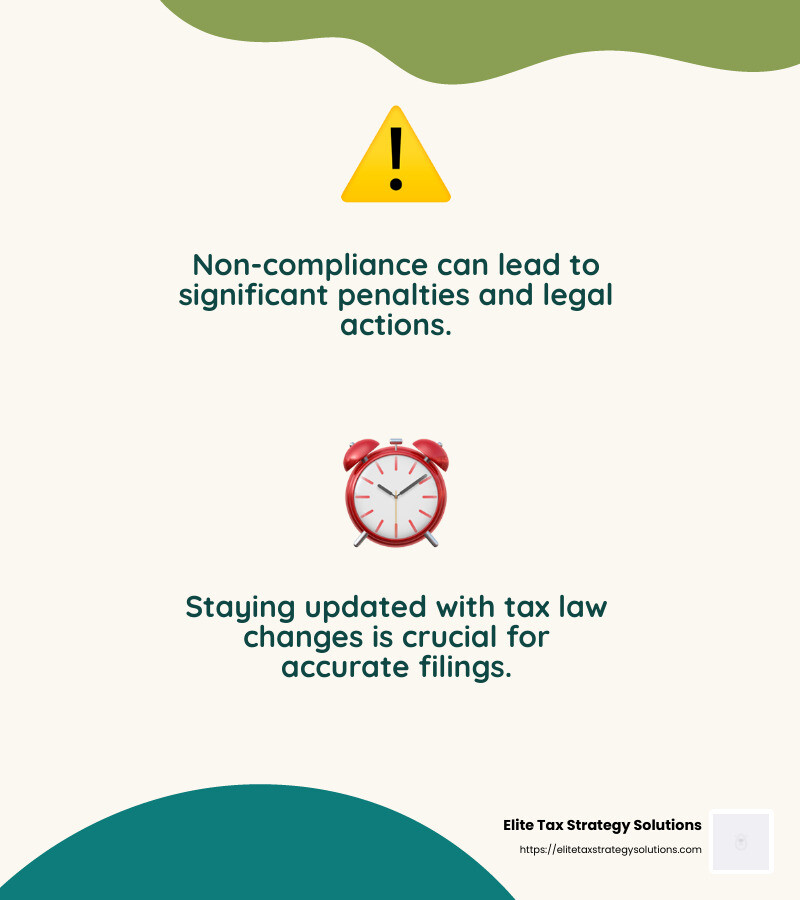
To mitigate compliance risks, businesses must stay informed about tax law changes and ensure that their tax filings are accurate and timely. Many companies now use technology to streamline compliance processes, reducing the chance of errors.
Tax Risk Appetite
Every company has a different tax risk appetite, which is the level of risk they are willing to accept in their tax strategies. Some companies prefer a conservative approach, minimizing risk by strictly adhering to tax laws and avoiding aggressive tax positions. Others might take a more aggressive stance, seeking to minimize tax liabilities through complex strategies that push the boundaries of tax law.
Understanding and defining your company’s tax risk appetite is essential. It helps in guiding decisions about which tax strategies to pursue and ensures alignment with the company’s overall risk management framework.
In summary, tax risk management involves understanding the potential pitfalls of tax compliance and developing strategies to steer them. An effective approach can safeguard a company’s finances and reputation, paving the way for sustainable growth and success.
Key Strategies for Effective Tax Risk Management
When it comes to tax risk management, there are several key strategies that can help you minimize exposure and ensure compliance. Let’s explore these strategies:
Risk Identification
First, you need to identify the tax risks your company faces. This involves looking at all aspects of your business operations and understanding where tax issues might arise. Common risks include incorrect tax filings, changes in tax laws, and international tax obligations.
A failure to consider the tax impacts of transactions due to poor communication between tax and business units is a frequent pitfall. Identifying these risks early can help prevent costly mistakes.
Risk Analysis
Once risks are identified, the next step is to analyze them. This involves assessing the likelihood of each risk occurring and the potential impact on your business. By understanding these factors, you can prioritize which risks need immediate attention.
For instance, computational errors that lead to underreporting taxes can not only result in additional costs but also expose your company to penalties. Analyzing such risks helps in crafting strategies to address them effectively.
Risk Prioritization
Not all risks are created equal. After analyzing risks, prioritize them based on their potential impact and likelihood. This helps in allocating resources efficiently to manage the most significant risks first.
For example, if a new tax law could dramatically increase your tax liability, it should be a high priority. On the other hand, less significant risks can be monitored over time without immediate intervention.
Risk Treatment
Risk treatment involves developing strategies to mitigate identified risks. This can include implementing robust internal controls, training staff, or using technology to automate tax processes.
For instance, to address the risk of overreporting taxes due to erroneous analysis, companies can implement regular reviews and updates of their tax planning strategies. This ensures that tax positions are accurate and reflect current laws.
Risk Monitoring
Finally, risk monitoring is crucial for ongoing tax risk management. Regularly review and update your risk management strategies to ensure they remain effective. This includes staying informed about changes in tax laws and business operations that might introduce new risks.
A well-documented tax risk policy, as highlighted in the BDO 2022 Tax Outlook Survey, strengthens awareness across the organization. Regular communication with leadership about tax strategies ensures everyone is on the same page.
By following these strategies, companies can effectively manage their tax risks, reduce exposure, and maintain compliance. This proactive approach not only protects financial health but also supports long-term growth.
Next, we’ll explore how you can develop a robust tax risk management framework to support these strategies.
Developing a Robust Tax Risk Management Framework
Creating a strong framework for tax risk management is crucial for any organization aiming to minimize exposure and ensure compliance. Here’s how you can build a solid foundation:
Tax Strategy
A well-defined tax strategy is the cornerstone of effective tax risk management. It aligns tax objectives with your overall business goals. Start by setting clear objectives for your tax function. This could include minimizing tax liabilities, ensuring compliance, or optimizing tax processes for efficiency.
Your strategy should address potential tax risks and outline how to handle them. For instance, if your business expands internationally, your strategy should include plans for managing foreign tax obligations.
Governance
Governance refers to the structure and processes that ensure accountability and transparency in managing tax risks. It’s essential to have a governance framework that defines roles and responsibilities for tax risk management within your organization.
Ensure that there is clear communication between the tax department and other business units. This helps in identifying tax risks early and ensures that everyone knows their role in managing these risks.
Control Environment
A robust control environment is crucial for minimizing tax risks. This involves implementing internal controls that ensure tax compliance and prevent errors. Controls can include regular audits, automated checks, and staff training programs.
For example, implementing a regular review process for tax filings can help catch errors before they become costly. Training programs can ensure that your staff is up-to-date with the latest tax laws and regulations.
Tax Control Frameworks
A Tax Control Framework (TCF) is a structured approach to managing tax risks. It provides a systematic way to identify, assess, and mitigate tax risks. A TCF typically includes policies and procedures for managing tax risks, as well as tools for monitoring and reporting.
The use of technology can improve the effectiveness of a TCF. Automated tools can help in data collection, analysis, and reporting, making it easier to identify and address potential risks.
By focusing on these areas, you can develop a robust tax risk management framework that not only protects your organization from tax authority challenges but also supports its long-term growth. This framework serves as a guide for implementing the strategies discussed earlier and ensures that your tax risk management efforts are both effective and sustainable.
Next, we’ll look at the role of technology in enhancing tax risk management.
The Role of Technology in Tax Risk Management
In today’s business world, technology plays a pivotal role in tax risk management. It offers tools that make it easier to identify, analyze, and manage tax risks effectively. Let’s explore how technology can improve your tax risk management efforts.
Tax Technology
Tax technology refers to any software or digital tools used to streamline tax processes. These tools can help automate repetitive tasks, ensuring accuracy and saving time. For example, tax software can automate the calculation of taxes, reducing the risk of human error.
A well-implemented tax technology system can also provide real-time access to tax data. This allows businesses to quickly respond to changes in tax laws or regulations.
Automated Tools
Automation is a game-changer in the field of tax risk management. Automated tools can handle everything from data collection to tax filings, ensuring that your tax processes are efficient and error-free.
For instance, automated tools can help maintain compliance by sending alerts when deadlines approach or when there are changes in tax regulations. This proactive approach helps prevent compliance issues before they arise.
Data Analysis
Data analysis is crucial for understanding and managing tax risks. With advanced data analysis tools, businesses can gain insights into their tax positions and identify potential risks.
These tools can analyze large volumes of data to spot trends and patterns that may indicate tax risks. For example, by analyzing transaction data, a company can identify inconsistencies or discrepancies that could lead to tax liabilities.
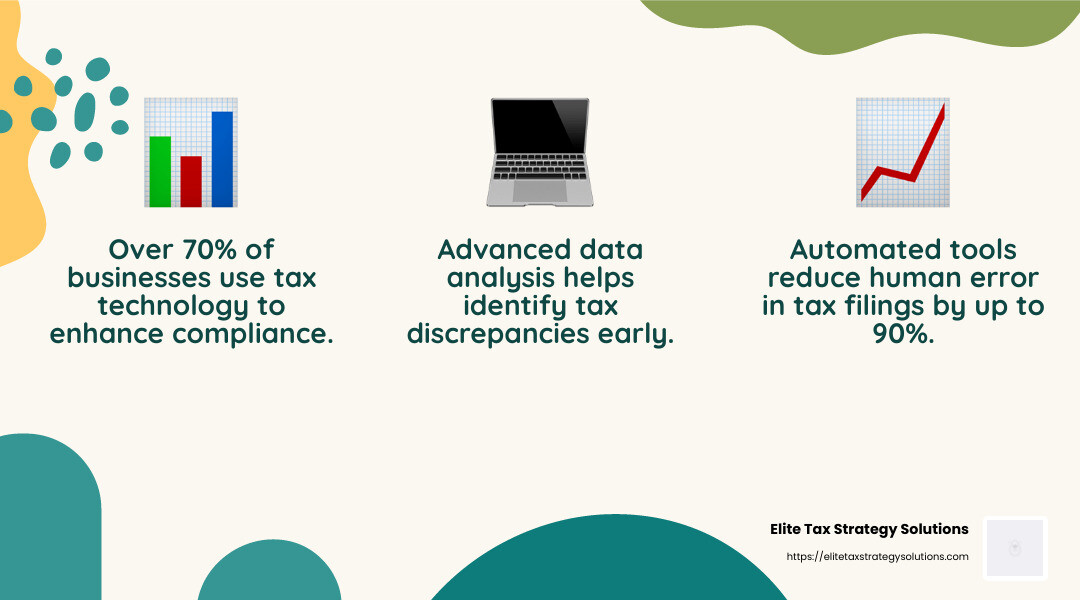
Incorporating data analysis into your tax risk management strategy allows for informed decision-making. It provides a clear picture of where your business stands in terms of tax obligations and helps you devise strategies to mitigate risks.
By leveraging technology, businesses can improve their tax risk management efforts, ensuring compliance, reducing errors, and ultimately saving time and resources. Technology will continue to shape the way we approach tax risk management, making it an indispensable part of any robust tax strategy.
Next, let’s address some frequently asked questions about tax risk management.
Frequently Asked Questions about Tax Risk Management
What is risk management in tax?
Risk management in tax is all about identifying, assessing, and addressing potential tax-related issues that could impact a business. It’s like having a safety net that helps avoid unexpected tax bills or penalties. This process involves understanding the various compliance risks that a business might face, such as changes in tax laws or regulations. With a solid risk management strategy, companies can steer these challenges smoothly and maintain compliance.
What is an example of a tax risk?
Imagine a company expanding its operations internationally. This company might face a tax risk if it doesn’t correctly report its income in different countries. For instance, if the company underreports its income in a jurisdiction where it has significant operations, it could lead to an incorrect tax amount being declared. This mistake could result in fines, penalties, or even a requirement to restate financial statements. Such risks highlight the importance of having a clear understanding of tax positions and ensuring accurate reporting.
What is the risk management process for income tax?
The risk management process for income tax involves several key steps to ensure accuracy and compliance. First, businesses need to prepare and file their income tax returns accurately, which involves gathering all relevant financial data and ensuring it’s correctly reported.
Once filed, these returns may come under scrutiny from tax authorities. They might review the returns for any discrepancies or errors, such as incorrect deductions or income reporting. If any issues are found, the company must be ready to address them promptly to avoid penalties.
To manage these risks effectively, businesses should regularly review their tax processes and ensure they are up-to-date with current tax laws and regulations. By doing so, they can minimize the risk of errors and ensure smooth interactions with tax authorities.
This proactive approach to tax risk management helps companies stay on top of their tax obligations and avoid potential pitfalls. Let’s now dive deeper into developing a robust tax risk management framework.
Conclusion
At Elite Tax Strategy Solutions, we believe that a proactive approach to tax risk management is essential for achieving financial stability and optimizing your tax position. Our mission is to help clients steer the complexities of tax regulations with custom strategies that maximize tax savings.
By focusing on tax optimization, we ensure that our clients not only comply with current tax laws but also take advantage of opportunities to reduce their tax liabilities. Our expertise allows us to identify potential risks before they become costly issues, giving our clients peace of mind and the ability to focus on their core business activities.
Financial stability is at the heart of our services. We work closely with high-income earners and small business owners to align their tax planning with their long-term financial goals. This alignment ensures that tax strategies are not just about compliance but are also a crucial part of a broader financial strategy.
To learn more about how we can help you manage your tax risks and optimize your tax strategy, visit our Tax Planning for Small Businesses page. Let us partner with you to create a tax plan that supports your financial success.